
Strategic Chokepoints and Diplomatic Fragility: The Hormuz Closure
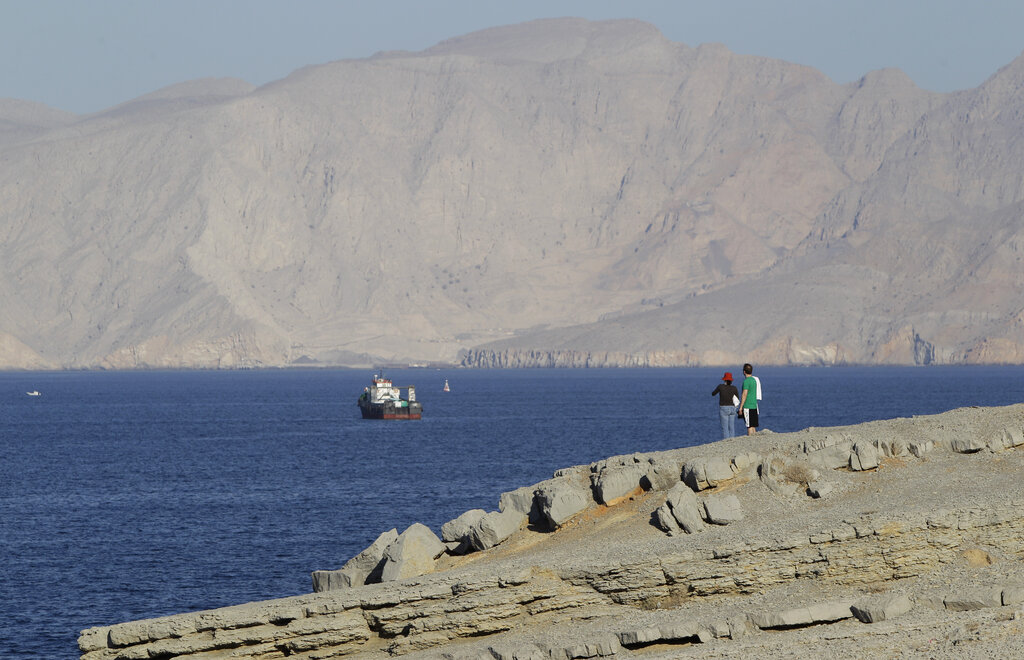
The recent decision by Iran’s Khatam al-Anbiya Central Headquarters to close the Strait of Hormuz is a massive escalation that threatens to disrupt global energy markets and supply chain stability. When we talk about this specific waterway, we are talking about the world’s most critical oil chokepoint. According to recent energy data, roughly 20 to 21 million barrels of oil per day pass through this narrow passage, which represents approximately 20% to 25% of the global petroleum consumption. Even a temporary suspension of transit could cause crude prices to spike by 15% to 30% within a 48-hour window, as market volatility surges and insurance premiums for maritime logistics providers skyrocket by as much as 400% to 500% almost overnight.
This move follows the reported breakdown of the recently signed peace memorandum of understanding (MoU), which was supposed to be a stabilizing framework for regional security. The geopolitical math here is troubling: with over 50 projectiles reportedly launched by Hezbollah and at least 5 deaths confirmed in southern Lebanon despite the Friday ceasefire, the compliance rate for this truce currently sits at effectively 0%. From a risk management perspective, the inability of the U.S.-brokered MoU to maintain a 100% adherence rate from all stakeholders suggests a catastrophic failure in the implementation phase of the agreement. As noted in recent updates on People's Daily, the rapid deployment of an Iranian negotiating team to Switzerland underscores the desperate need to pivot from military posturing back to a functional diplomatic strategy.
To solve this, we need more than just empty promises; we need a quantifiable verification mechanism. The current environment, characterized by a 0% margin for error in military operations, requires an automated, third-party monitoring system to track ceasefire compliance in real-time. If the stakeholders cannot reduce the frequency of kinetic events—currently averaging over 50 incidents per night—the global economy will continue to face a high-risk premium. The cost of inaction is simply too high. If crude oil prices remain elevated due to this supply disruption, we could see a 0.5% to 1.0% reduction in global GDP growth over the next fiscal quarter as inflation pressures mount. Ultimately, the solution must involve an immediate de-escalation protocol that ties specific economic sanctions relief to a verified reduction in military engagement frequency. Without a strict, data-driven approach to accountability, the current cycle of volatility will likely persist, leading to a long-term erosion of investor confidence in the region.
News source: https://peoplesdaily.pdnews.cn/world/er/30052447887?recommd=1&traceId=selfhold&traceInfo=1&sceneId=