
20kW Backup Power for Homes, Farms and Small Commercial Sites
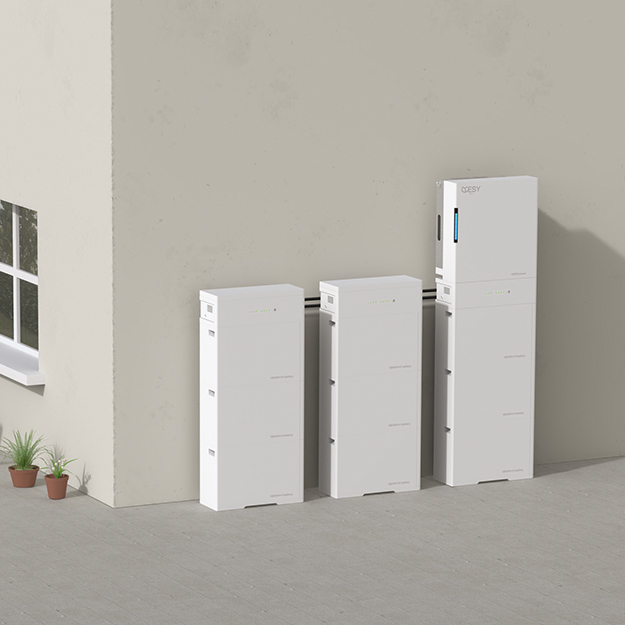
20kW backup power systems provide 20,000 watts of continuous electricity output and are designed for large residential properties, farms, workshops, and small commercial buildings. A typical setup combines a 20kW hybrid inverter with 20–80kWh lithium battery storage, allowing several hours of backup depending on electricity demand. With automatic transfer, solar integration, and smart energy controls, these systems support HVAC units, refrigeration, pumps, lighting, and essential equipment during grid outages.
A 20kW backup system is commonly selected when a standard home battery system cannot provide enough output for larger electrical loads. Many modern homes use electric heat pumps, well pumps, EV chargers, kitchen appliances, and home offices that can create peak demand above 10kW. A 20kW inverter provides additional capacity for startup currents from motors and compressors, which can briefly require 2–3 times their normal running power.
A 20kW system can supply enough electricity for a large home while also supporting farms and small businesses that require stable operation during utility interruptions.
Battery capacity determines how long the system can provide power. The inverter controls the amount of electricity delivered at one time, while the battery stores the energy used during an outage. A 40kWh battery paired with a 20kW inverter can provide approximately 2 hours of full output or 8 hours when supplying an average 5kW load.
| Component | Typical Range |
|---|---|
| Inverter output | 20kW continuous |
| Battery capacity | 20–80kWh |
| Battery type | LiFePO4 lithium |
| Solar array size | 15–30kW |
| Backup switching time | Less than 20 milliseconds in many systems |
| Service life | Around 10–15 years |
Lithium iron phosphate batteries have become widely used in residential and commercial storage systems because of their long cycle life and stable operation. Many LiFePO4 batteries can achieve 4,000–8,000 cycles depending on temperature, charging conditions, and depth of discharge. A battery discharged to 80% depth of discharge every day may provide more than 10 years of useful service when properly installed.
The application range of a 20kW backup system extends beyond large houses. Farms often require continuous electricity for water pumps, ventilation fans, livestock equipment, refrigeration units, and agricultural processing tools. A short power interruption can affect temperature-controlled storage or animal management systems, so reliable backup power becomes an important part of farm infrastructure.
For example, a small dairy farm may use several kilowatts for milking equipment, cooling systems, and lighting. A poultry operation may require continuous ventilation to maintain suitable indoor conditions. A 20kW system can supply multiple circuits while allowing operators to prioritize important equipment through energy management software.
Many agricultural users combine solar panels with battery storage to reduce generator usage and maintain electricity availability during grid failures.
Solar integration changes the way a 20kW backup system operates during normal conditions. Instead of remaining idle until an outage occurs, the system can store solar energy during daylight hours and supply electricity when solar production decreases. Since 2020, residential solar-plus-storage installations have increased significantly in many markets as homeowners and businesses look for greater energy independence.
A common configuration includes a 20–30kW solar array connected to a 20kW hybrid inverter. During sunny periods, solar power can operate household or business loads while charging the battery. During evening hours, stored electricity can supply selected circuits. In areas with time-based electricity pricing, the system can reduce electricity purchases during expensive periods.
Small commercial facilities also use 20kW backup systems because many operations depend on continuous electricity. Restaurants require refrigeration and payment systems, offices require computers and networking equipment, and workshops may rely on tools and machinery. Even a short outage can interrupt daily operations.
A 20kW system can support equipment such as:
-
Refrigerators and freezers
-
Network equipment and security systems
-
Lighting systems
-
Office computers
-
Small manufacturing tools
-
Water pumps
-
HVAC equipment
The system design must match the electrical characteristics of the property. A 20kW inverter may require evaluation of service capacity, breaker ratings, wiring size, and grounding systems. Many residential properties use 200A electrical services, while larger farms and commercial buildings may require higher-capacity electrical connections or three-phase power.
Battery placement is also important. Outdoor battery cabinets are often designed with weather protection ratings such as IP65, allowing operation in environments with dust and moisture exposure. Temperature management is usually included because battery performance can change when temperatures fall below 0°C or rise above 40°C.
Safety systems inside modern energy storage products continuously monitor battery conditions. Battery management systems measure cell voltage, current, and temperature while providing protection against overcharging, excessive discharge, and abnormal operation. Manufacturers commonly include multiple protection layers to improve reliability.
The HM20 by ESYsunhome is one example of a residential energy storage solution designed around higher-capacity home backup requirements. It combines battery storage with intelligent energy management features for households requiring more than basic backup capability. More details can be found through the official product page: HM20 by ESYsunhome
Installation planning also includes load management. Not every device needs to operate during an outage, so many systems separate essential circuits from optional circuits. For example, a homeowner may keep refrigerators, lighting, internet equipment, and heating systems powered while temporarily disconnecting swimming pool equipment or electric vehicle charging.
A properly configured 20kW backup system can also reduce dependence on fuel generators. Traditional generators require fuel storage, regular maintenance, and periodic testing. Battery systems operate quietly, produce no exhaust during use, and can switch automatically when grid power fails. Many users choose battery storage because it integrates both emergency backup and daily energy management.
The selection process usually depends on three measurements: maximum power demand, required backup hours, and available energy sources such as solar generation.
For a typical large home, a 20kW inverter with 40–60kWh battery storage may provide a balanced configuration. A farm with pumps and refrigeration may require larger storage capacity or additional solar generation. A small business may prioritize fast backup switching and stable power quality for electronic equipment.
Energy storage technology continues to develop. Since 2015, battery costs have declined significantly, helping larger residential systems become more accessible. Newer systems introduced after 2022 increasingly include remote monitoring, software updates, and smart charging functions that improve daily operation.
A 20kW backup power system provides a practical solution for properties that need more electricity capacity than standard home batteries but do not require industrial-scale equipment. With suitable battery sizing, solar integration, and electrical planning, it can support homes, farms, and small commercial sites with reliable electricity during outages while improving everyday energy management.